
Warum Amylin- und Calcitonin-Rezeptor-Co-Agonismus eigene Readouts braucht: Cagrilintide, Amycretin und Retatrutide im analytischen Vergleich, mit Blick auf Studiendesign, Confounder und Qualitätskontrolle.

Aggregate und Partikel: SEC und DLS im Peptid-Freigabepanel
Zwei Peptidchargen mit identischer RP-HPLC-Reinheit können sich im Assay trotzdem deutlich unterscheiden. Warum die Größenachse im Freigabepanel nicht fehlen sollte und was SEC und DLS dort leisten, zeigt dieser Beitrag.
Normalize Prices to COA Verified Mass for Research Peptide Pricing
Normalize vendor quotes to COA verified mass and cost per verified mg. Use batch-specific COAs and verifiable lab testing to avoid overpaying on research peptides.
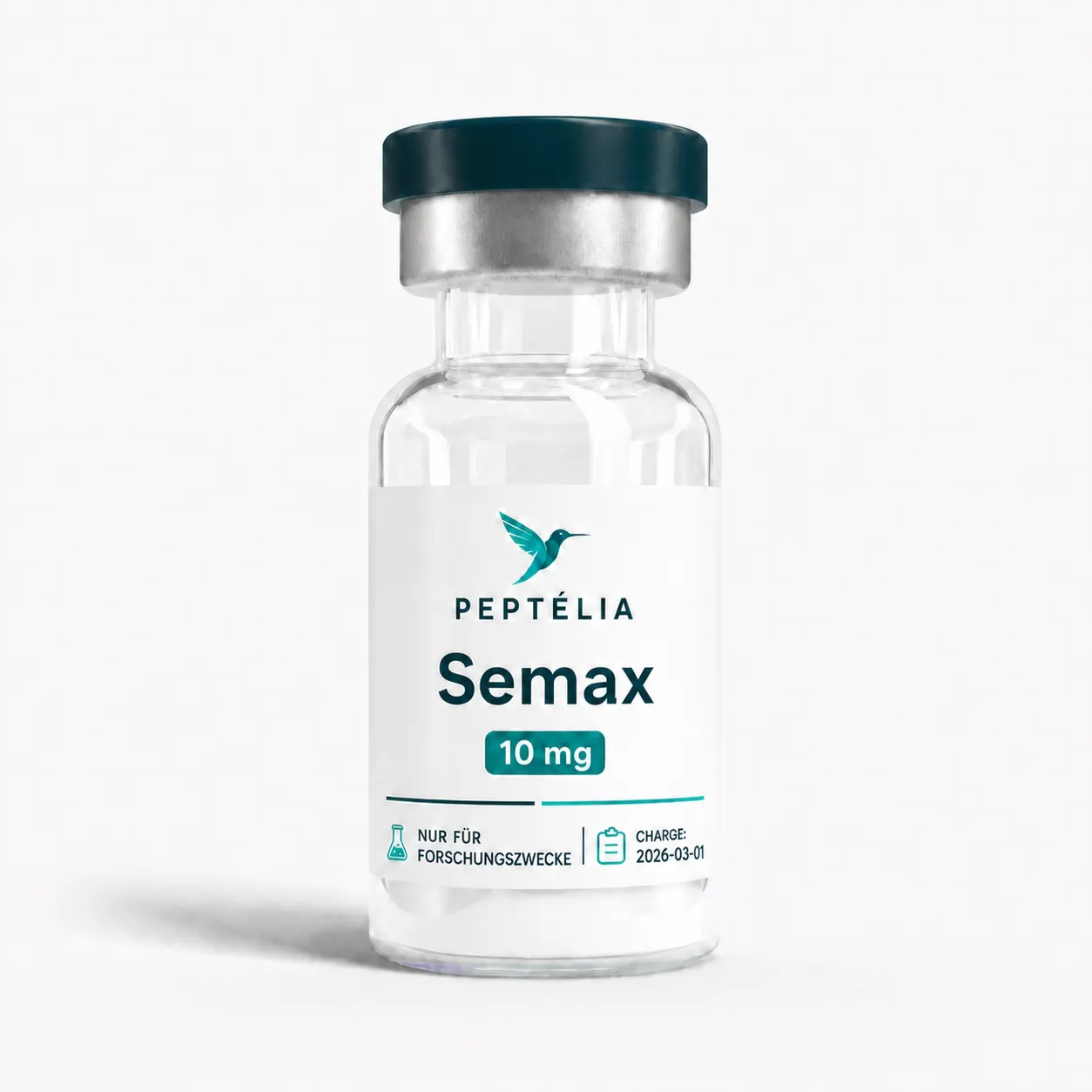
Buying Semax: the ACTH(4-10) Analogue, How It Differs from Selank and What Labs Check
Semax is a synthetic heptapeptide based on the ACTH fragment 4–10, used in research mainly as a model compound for neurotrophic signalling pathways. This guide covers its origin and research fields, how it differs from Selank, the checks to run when sourcing it and correct storage.
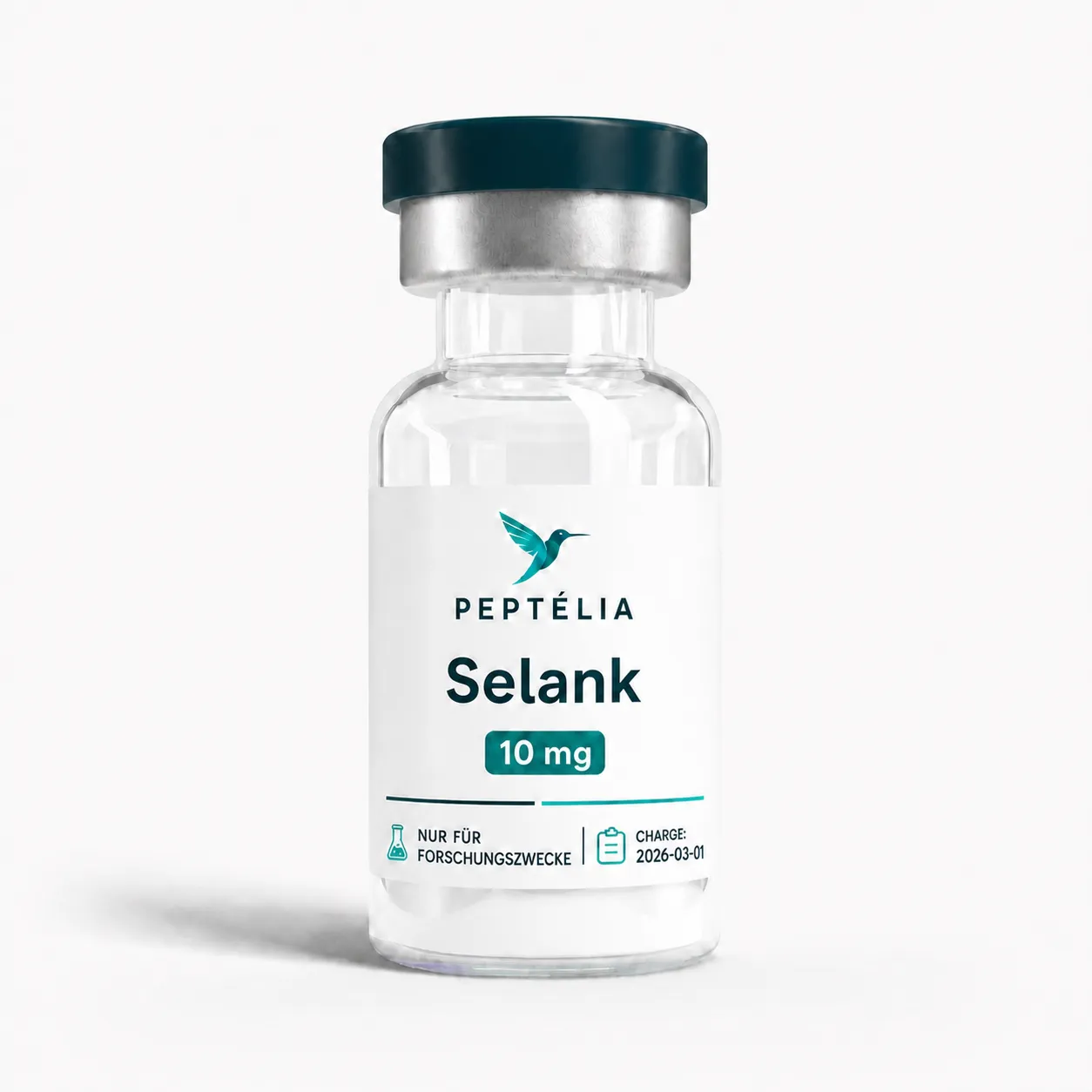
Buying Selank: Vial or Ready-Made Solution? A Lab Guide to Purity, COA and Storage
Selank is one of the most sought-after neuropeptides in research – and one of the most poorly documented on the market. This guide explains what Selank is, how the lyophilised vial and the ready-made solution differ as research formats, what a COA has to state and how the compound is stored.
Retatrutide (GLP-3) Trials 2026: What TRIUMPH-1 and TRIUMPH-4 Show – and What It Means for Research
Retatrutide – often called “GLP-3” in the community – delivered its first phase 3 data in 2025/2026 with TRIUMPH-4 and TRIUMPH-1. This overview explains the study design, what the term GLP-3 really means and what laboratories should check when sourcing retatrutide as a research substance.
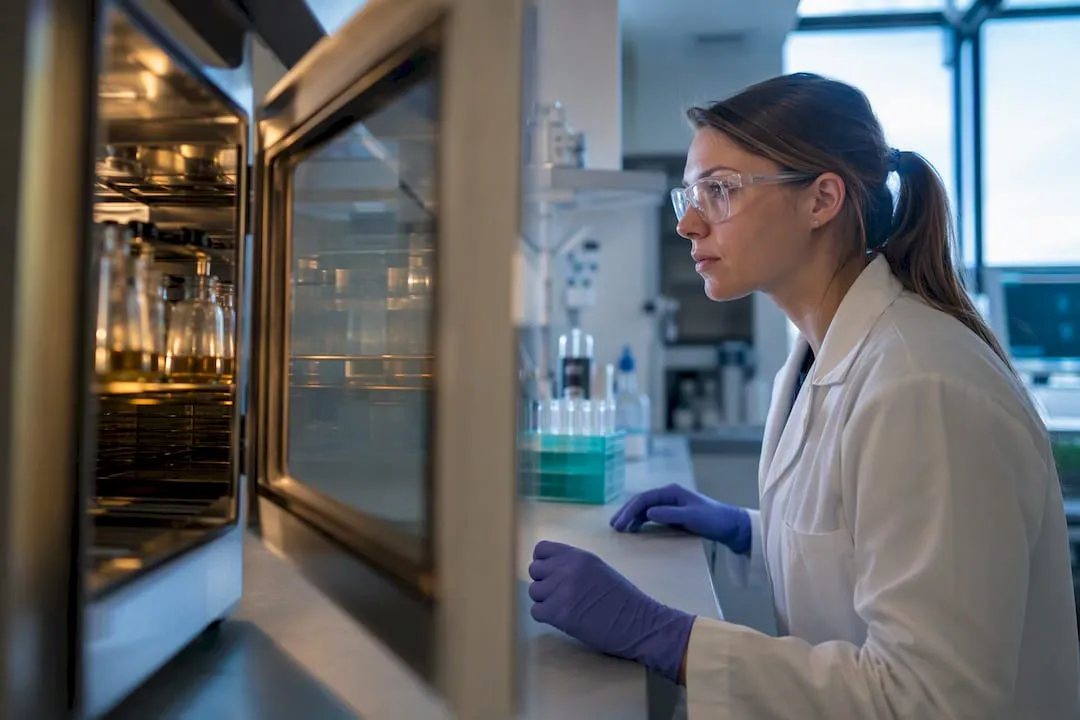
For Labs: 14-Day Sterility Testing and Why a Peptide’s COA Purity Does Not Mean Sterility
A lab-focused guide explaining why HPLC purity on a peptide certificate of analysis (COA) does not prove sterility, what the 14-day USP test covers, and a practical COA checklist.
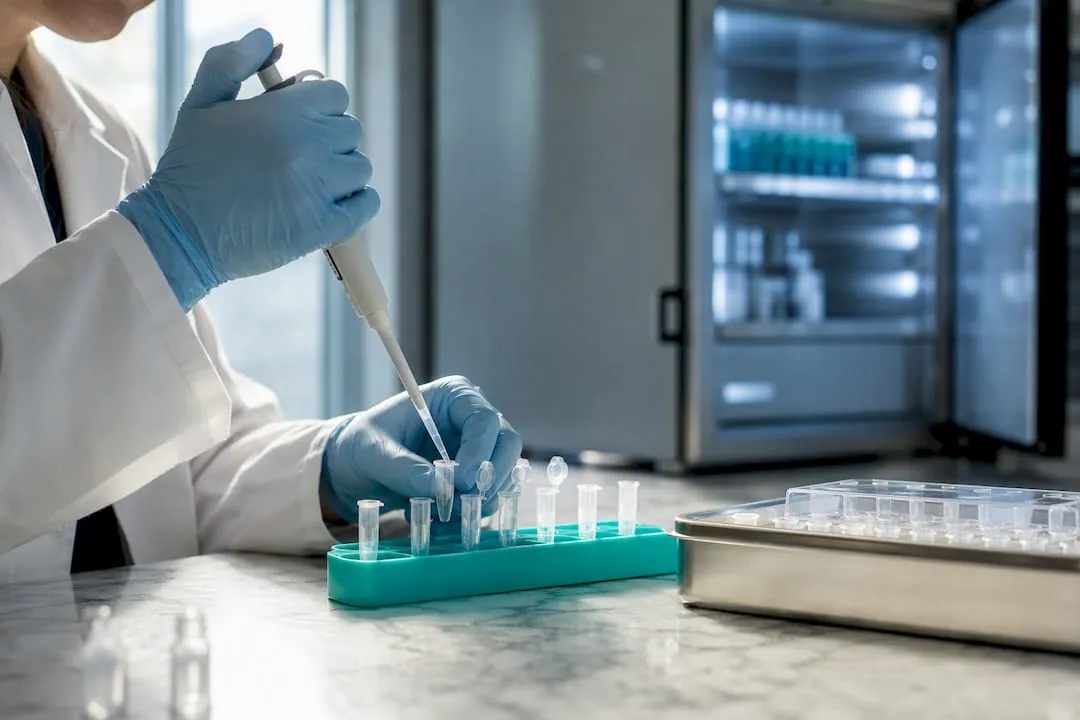
3 Sequence-Based Peptide Stability Factors Labs Must Check
Use sequence predictors (non-polar residue share, Tyr/Trp counts, pI) to choose buffers, excipients and assays so that peptide stability studies stay reproducible in the lab.
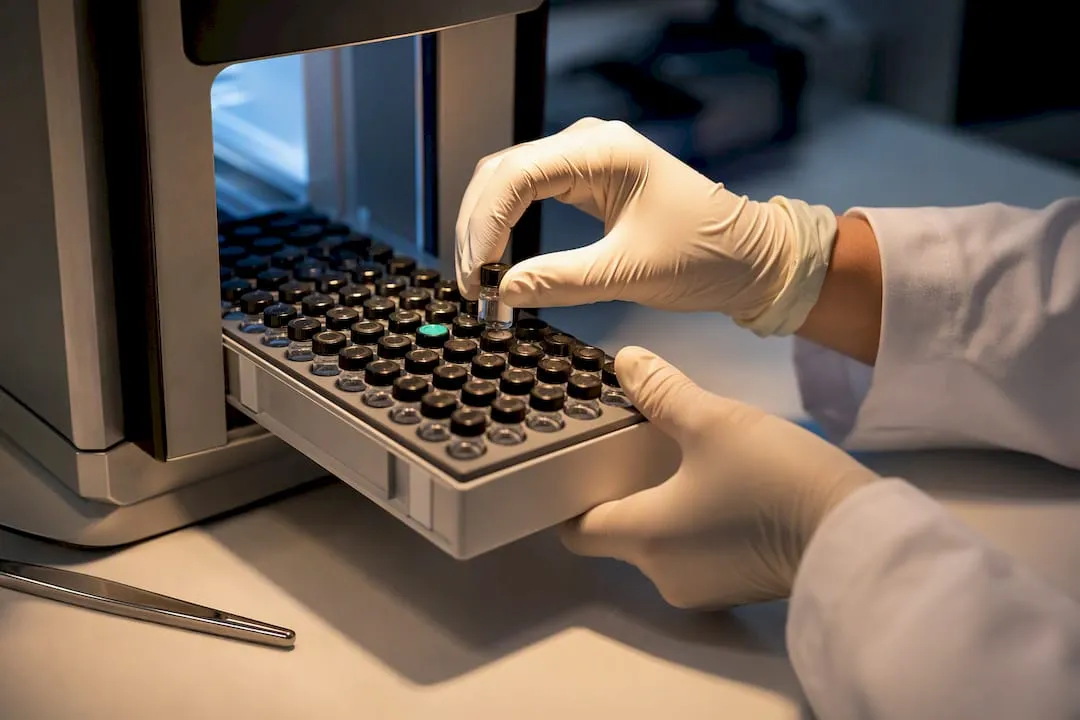
Diagnosing Peptide Degradation Pathways from +16, +1 and −18 Da Mass Shifts
Identify chemical, enzymatic and physical peptide degradation in the lab by mapping +16, +1 and −18 Da mass shifts to targeted countermeasures.
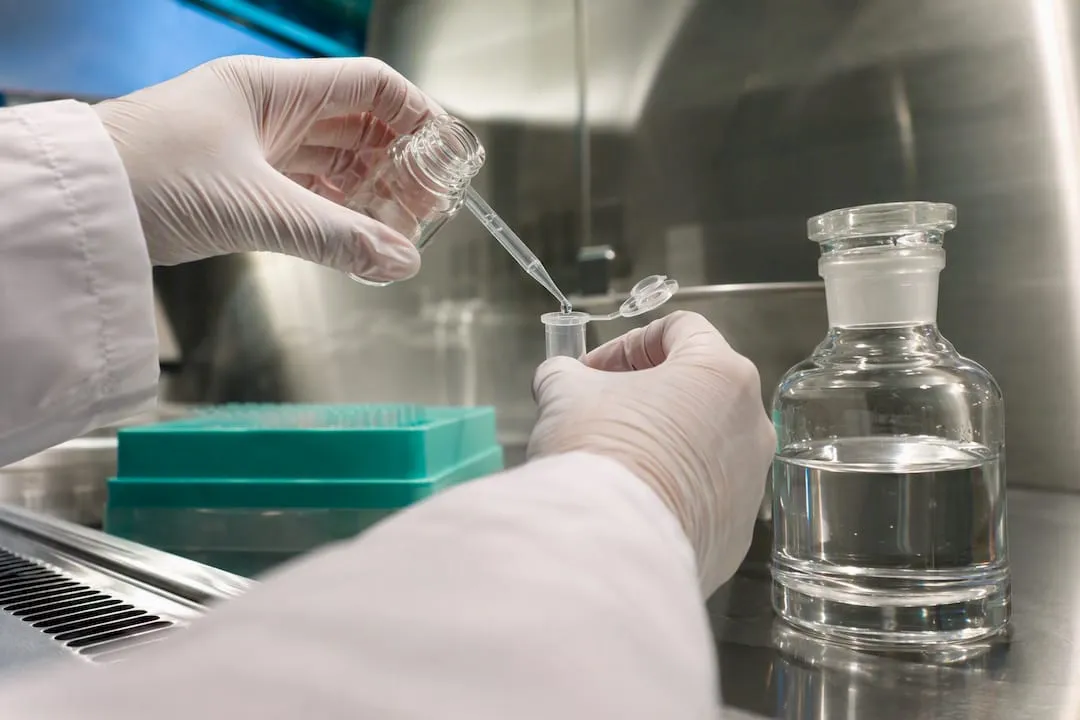
Reproducible Peptide Counterion Exchange for Labs: 10 mM HCl Protocols
Practical protocols labs can adapt to exchange TFA salts: lyophilization from 10 mM HCl, RP-SPE workflows, AER options, plus 19F-NMR and COA checks.